
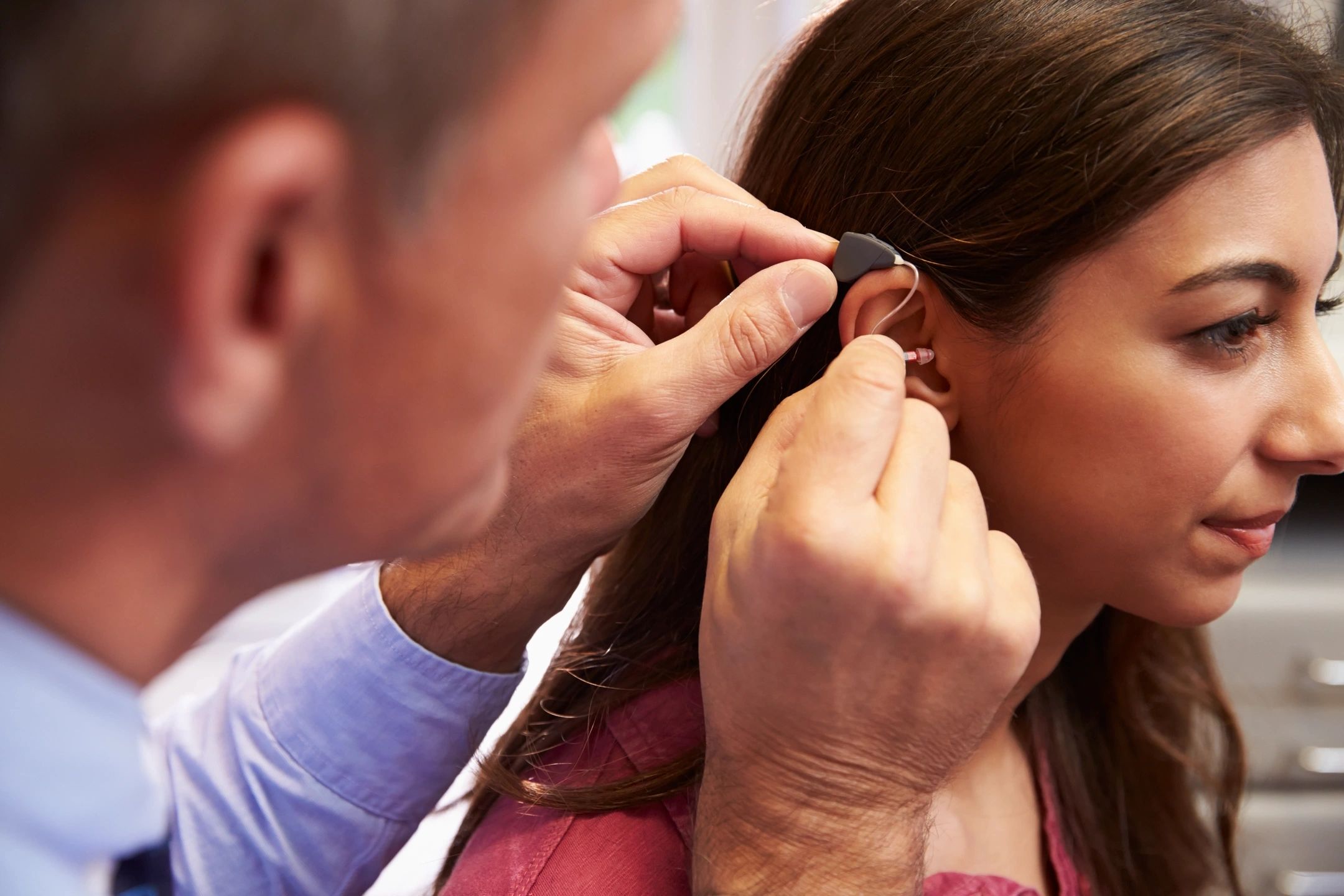
Hearing aid technology
Rechargeable Hearing Aids
Say goodbye to tiny disposable batteries. Modern rechargeable hearing aids offer a full day of power from a single overnight charge — with no fiddly battery changes, ever.
Why rechargeable makes sense
Disposable hearing aid batteries are small, expensive, and need replacing every 3–10 days depending on your device and usage. For many people — especially those with limited dexterity or vision — swapping them out is genuinely difficult.
Rechargeable hearing aids use lithium-ion technology, the same proven chemistry in smartphones and electric vehicles. Place them in the charging case each night and they are ready to go in the morning. It is that simple.
Benefits of rechargeable hearing aids
All-day power
A full charge delivers 16–24 hours of use, including several hours of Bluetooth streaming — enough for even the longest days.
No more battery changes
Eliminate the frustration of tiny disposable batteries. Ideal for people with arthritis, limited dexterity, or reduced vision.
Lower long-term cost
Rechargeable batteries last 4–5 years before needing replacement, saving hundreds of dollars compared to disposable batteries over the life of the device.
Better for the environment
Hearing aid batteries contain zinc and mercury. Rechargeable devices dramatically reduce the number of batteries entering the waste stream.
Fast charging
Many devices offer rapid-charge capability — just 30 minutes in the charger can provide several hours of use when you are in a hurry.
Secure charging case
The compact charging case doubles as a storage and travel case, keeping your hearing aids safe, dry, and charged wherever you go.
How rechargeable hearing aids work
Wear all day
Put your hearing aids in when you wake up and wear them throughout the day — conversations, phone calls, TV streaming, and all.
Place in charger at night
When you go to bed, simply set your hearing aids in the charging case. No battery door to open, no tiny batteries to handle.
Fully charged by morning
Overnight charging restores full battery capacity. Most devices show a charge indicator so you always know the status at a glance.
Repeat — for years
Lithium-ion batteries are designed to last the full lifespan of the hearing aid — typically 4–5 years — before any battery service is needed.
Rechargeable vs. disposable batteries
Rechargeable
- Charge overnight, wear all day
- No battery changes needed
- Battery lasts 4–5 years
- Lower long-term cost
- Eco-friendly — far less waste
- Ideal for limited dexterity
Disposable (zinc-air)
- Replace every 3–10 days
- Requires handling tiny batteries
- Ongoing battery purchases
- Higher cumulative cost
- Significant battery waste
- Can be difficult to change
24 hrs
typical battery life per charge, including streaming
30 min
quick charge for several hours of use
4–5 yrs
lithium-ion battery lifespan before service needed
Frequently asked questions
Explore more hearing care topics
Experience the convenience of rechargeable
Ask about rechargeable options at your next hearing evaluation. Available at all three of our Washington locations.